|
Joint Master in European Cultural Governance
 Duration: 1 year (October to July) Duration: 1 year (October to July)
 Study Locations: Rome (Term 1), Berlin (Term 2), Nice (Term 3) + Study Trip to Paris Study Locations: Rome (Term 1), Berlin (Term 2), Nice (Term 3) + Study Trip to Paris
 Language: English Language: English
 Credits: 60 ECTS Credits: 60 ECTS
 Partner: Luiss School of Government, Rome Partner: Luiss School of Government, Rome
 Tuition Fees: €12,000 Tuition Fees: €12,000
Early Bird (€9,900): 28 February 2026
Why Choose CIFE?
Learn from academics and practitioners, including high-ranking national and EU institutional representatives.
Gain insights from peers representing over 30 countries.
Join a worldwide network of over 5,000 CIFE Alumni.
We're one of the seven "designated institutions" supported by the European Union.
95% of our graduates attest full satisfaction with the programme.

Promoting European Cultural Assets and Heritage
Our Joint Master in European Cultural Governance (EUCULTURE) aims to develop students' ability to shape cultural policy through evidence-based learning in key areas of the programme: Cultural Heritage and Creative Arts, Digital Transformation with AI, Sustainable Development.
Students will acquire the skills to design and manage social, economic and environmental policies of cultural institutions in an international context.
Students will experience Europe’s rich and diverse cultural landscape in four historical UNESCO cities: Rome, Berlin and Nice, with a study trip to Paris. They will follow courses from policymakers representing major cultural institutions and exchange with visionary artists, cultural heritage managers and curators of foundations and museums.
Graduates receive the following certifications: the Joint Master in European Cultural Governance by CIFE and Luiss; and CIFE's degree qualification "Policy Officer in European and International Organisations" (level 7 EQF), recognised by the French state.
Programme Structure
Our curriculum is regularly updated to reflect the current landscape of European cultural governance policies.
Please note that the information given below may be subject to change.
Module 1: European Cultural Policies and Institutions
 European Union Policies and Programming European Union Policies and Programming
Management of Cultural Heritage
EU Funding for Culture
Module 2: European Cultural Governance in Global, European and Local Contexts
 The Cultural Heritage of Mediterranean Europe The Cultural Heritage of Mediterranean Europe
Cultural Diversity and the French Policy of Cultural Exception
Transnational Network and Cultural City Diplomacy
Module 3: European Cultural Innovation in the Digital World
Culture and AI in International Law
Cultural Public Policy for the Twin Digital and Sustainability Transitions
Art and Leadership: Learning Sustainability from Creative Arts
|
|

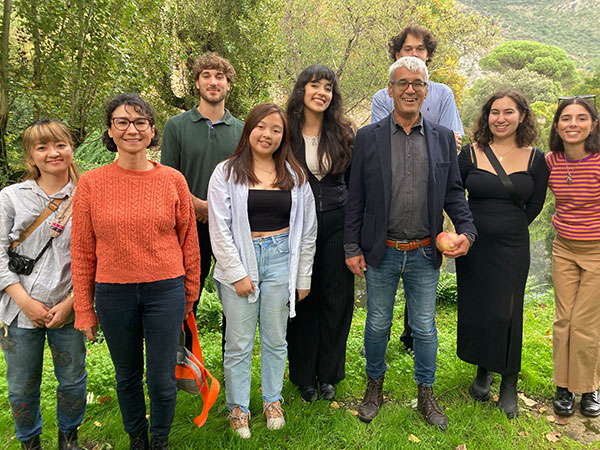
Who Studies the EUCULTURE Joint Master?
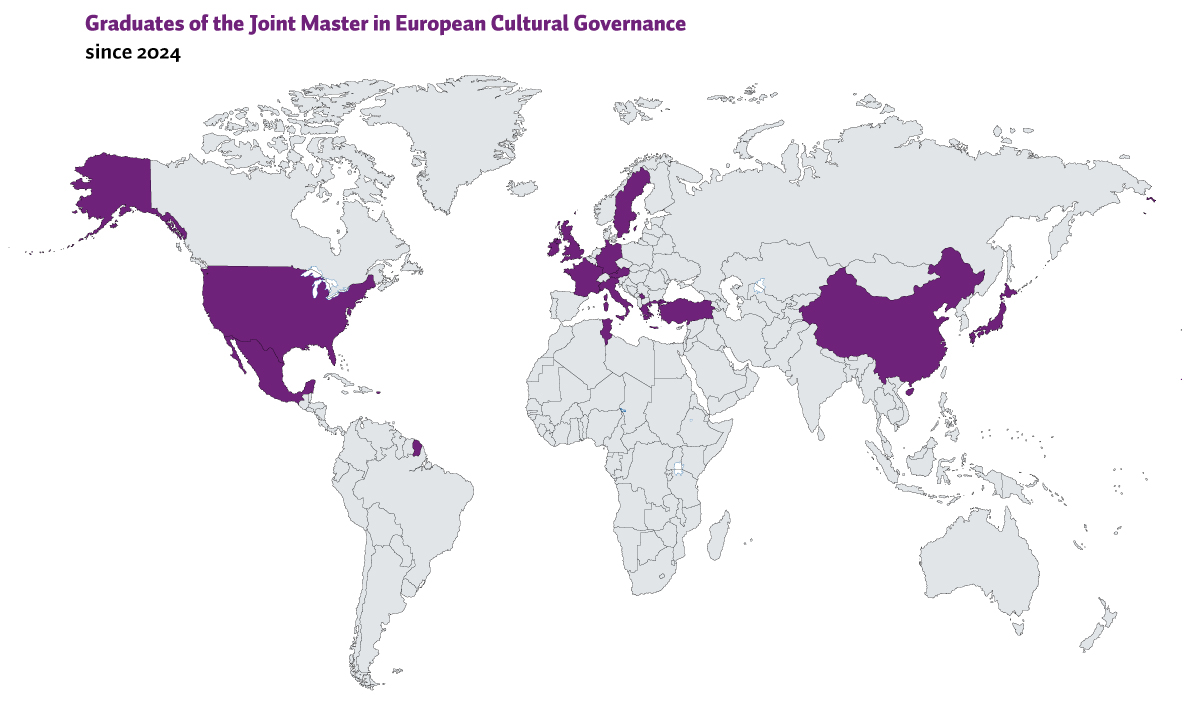
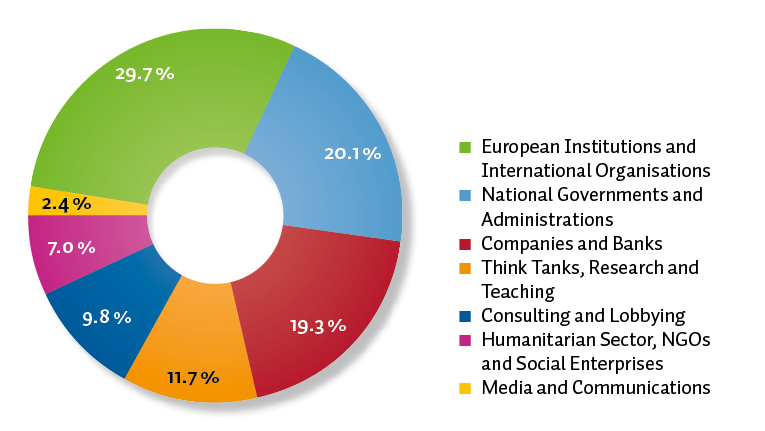
Where Our Graduates Work
What Our Alumni Are Saying
|
Admission Requirements
We seek motivated candidates who wish to deepen their understanding of European cultural policies and governance.
As an international and interdisciplinary programme, this Master is open to candidates of all nationalities and academic backgrounds.
 Bachelor's degree Bachelor's degree
An active proficiency in English (minimum B2). Level should be obtained by the start of the academic year.
Fees and Funding
Thanks to funding from the EU under the 'Jean Monnet Activities' of the Erasmus+ programme, CIFE is able to offer high-quality teaching at a competitive rate.
Tuition Fees: €12,000
Early Bird Discount: €9,900 for applications received before 28 February 2026
Tuition covers academic teaching, workshops, field trips and the transport and accommodation during the study trip to Paris.
|
|
About CIFE
CIFE European Institute has been at the forefront of European education since 1954. We are committed to fostering European integration and cooperation.
Under the presidency of Herman Van Rompuy, former President of the European Council, we continue to innovate in EU studies. Our offices in Nice, Berlin, Brussels and Istanbul ensure an international perspective, preparing you for the complex world of EU affairs.
About Luiss School of Government
The School of Government is part of Libera Università Internazionale degli Studi Sociali (Luiss) Guido Carli, a multidisciplinary university in Rome offering degrees at all academic levels.
It is ranked in the top 25 in the world and in the top 10 in Europe for Politics and International Studies in the QS World University Rankings 2025.
|
Join the next generation of European decision-makers!
|
|
|